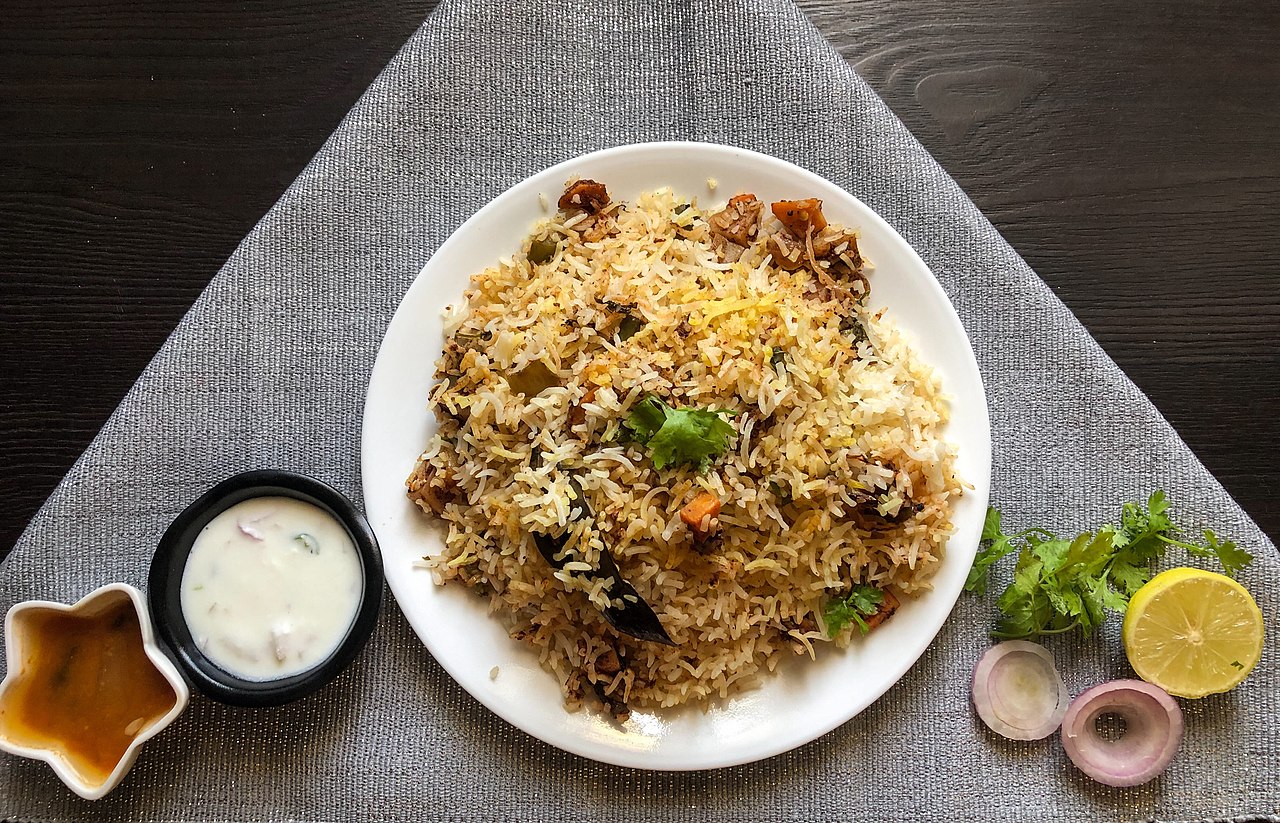
Few dishes command the reverence, aroma, and rich history quite like chicken biryani. A culinary masterpiece of fragrant basmati rice, tender chicken, and an exquisite blend of spices, it has become synonymous with celebration and comfort across South Asia and indeed, the world. Its complex layers of flavor tell a story far older and more widespread than many realize, often mistakenly attributed solely to Indian cuisine. While it holds an undeniable place in the heart of Indian gastronomy, the true journey of authentic chicken biryani begins much further west, in the ancient lands of Persia.
This article delves beyond the common perception to uncover the fascinating Persian origins of this beloved dish, exploring how it traveled, evolved, and cemented its status as a timeless culinary icon. Prepare to embark on a flavorful historical expedition that will deepen your appreciation for every aromatic spoonful of chicken biryani.
Tracing the Roots: From Persia to Palates
The genesis of biryani is a tale steeped in history, with culinary historians largely agreeing on its Persian lineage. The very word "biryani" itself offers a compelling clue, believed to be derived from two potential Persian words: biryan, meaning "fried before cooking," or berenj, the Persian word for rice. Both terms point directly to the dish's fundamental components and initial preparation techniques, suggesting a distinct non-South Asian origin.
While the exact moment of its arrival in South Asia remains a subject of romanticized theories, the consensus among scholars is that this layered meat-and-rice dish journeyed eastward with the powerful Mughal Empire. As emperors, generals, and their vast retinues expanded their dominion across the Indian subcontinent, they brought with them not just their political influence but also their rich cultural traditions, including their sophisticated cuisine. The biryani, in its early forms, would have been a practical yet luxurious meal for soldiers and royalty alike, capable of feeding many while offering substantial nourishment and exquisite taste.
As the Mughals established their presence in various regions, the biryani began its remarkable evolution. Influenced by local spices, indigenous ingredients, and diverse cooking methods, new regional variations of chicken biryani and other biryanis began to emerge. Each settlement, each royal court, and each local population infused the Persian blueprint with their unique culinary identity, leading to the incredible diversity we see today. This adaptation was key to its enduring popularity, allowing it to resonate with countless palates across a vast and varied landscape.
The Art of Dum Pukht: A Persian Legacy in Every Layer
Central to the mystique and unparalleled flavor of an authentic chicken biryani is a cooking technique that also hails from Persia: dum pukht. This ancient method, which translates roughly to "slow oven cooking" or "to choke cook," is far more than just a way to prepare food; it's an art form that perfectly encapsulates the philosophy of patience and precision for maximum flavor extraction.
The essence of dum pukht lies in its meticulous process of slow-cooking ingredients in a sealed pot. Traditionally, this might involve burying the pot underground over hot coals or sealing it with dough around the lid to create an airtight environment. This sealing is crucial, as it traps the steam generated during cooking, allowing it to build pressure and circulate within the pot. The result is a self-braising, self-steaming environment where the flavors of the meat, rice, and aromatic spices meld together seamlessly, permeating every grain and fiber.
The gradual, low-heat cooking ensures that the chicken becomes incredibly tender and succulent, while the basmati rice absorbs all the rich, complex aromas, achieving a perfect, separate grain texture. It’s this technique that imparts the signature depth and moistness to a truly exceptional chicken biryani, distinguishing it from simpler rice dishes. At home, this can be beautifully replicated using a heavy-bottomed Dutch oven or a pot with a tightly fitting lid, perhaps sealed with a simple dough band or aluminum foil for a perfect seal. Mastering this technique is key to unlocking the true potential of this dish. For those eager to delve deeper into this fundamental cooking method, explore our guide on Mastering Dum Pukht: Secrets to Flavorful Layered Chicken Biryani.
A Symphony of Spices: Regional Adaptations and Flavor Profiles
The journey of biryani from Persia across South Asia led to a spectacular diversification, most notably in its spice profiles. While the core concept of layered meat and rice remained, the specific spices and their quantities varied wildly, creating distinct regional identities for the dish. This adaptability is perhaps one of biryani's greatest strengths, allowing it to be both universally loved and locally unique.
Consider the stark differences between some of the most famous renditions of chicken biryani. Southern variations, such as the renowned Hyderabadi biryani, are often characterized by their bolder, spicier kick. This is typically due to a more generous application of chili powder and other pungent spices, reflecting the region's preference for heat and robust flavors. The Hyderabadi style often features a complex marinade for the chicken and a significant amount of saffron for color and aroma.
In contrast, northern variations, like the elegant Lucknowi biryani, known as Awadhi biryani, tend to be milder and more subtly aromatic. Here, whole spices like cardamom, mace, and rose water take center stage, creating a delicate fragrance and a nuanced flavor profile that speaks of refinement rather than fiery intensity. The emphasis is on gentle cooking and the layering of exquisite aromas.
Beyond chicken, coastal regions introduced their own interpretations, incorporating fresh seafood. It's not uncommon to find biryanis made with fish, prawns, or even crab, each lending its unique briny sweetness to the rice and spice blend. This incredible spectrum of flavors underscores the fact that while the blueprint for biryani arrived from Persia, its soul was reshaped by the vibrant culinary landscapes of South Asia. To dive deeper into these fascinating variations and discover what makes each one special, be sure to read From Hyderabadi to Lucknowi: Exploring Chicken Biryani's Regional Flavors.
Crafting Your Own Authentic Chicken Biryani: Demystifying the Process
The thought of preparing an authentic chicken biryani at home can often feel daunting. The extensive list of ingredients and the seemingly elaborate cooking techniques often deter even seasoned home cooks. However, it's a myth that biryani is exclusively a dish for professional chefs or community feasts. With a little patience, attention to detail, and a dash of passion, anyone can create this ambrosial culinary masterpiece in their own kitchen.
Here are some practical tips to help demystify the process and guide you toward a rewarding biryani experience:
- Quality Ingredients are Key: Start with the best. Use high-quality, aged basmati rice for its long grains and aromatic properties. Source fresh, tender chicken, preferably bone-in, as bones add flavor during the slow cooking. Invest in fresh, whole spices and grind them yourself for unparalleled aroma and potency.
- Perfect Your Marinade: The chicken's marinade is crucial. A good marinade tenderizes the meat and infuses it with initial flavors. Yogurt, ginger-garlic paste, chili, turmeric, and a custom biryani spice blend (or garam masala) are typical components. Allow sufficient marination time, ideally several hours or overnight, for maximum flavor penetration.
- Master the Rice: Achieving perfectly cooked, separate rice grains is paramount. Soak your basmati rice for at least 30 minutes before cooking to help it elongate and prevent breakage. Cook it until it's about 70-80% done (al dente) before layering, as it will continue to cook during the dum process.
- Layering with Care: This is where the magic happens. Alternate layers of partially cooked rice and marinated chicken, often with crispy fried onions (birista), fresh herbs like mint and cilantro, and a drizzle of ghee or saffron milk. Each layer contributes to the final symphony of flavors and textures.
- Seal for Success (Dum Pukht): Ensure your pot is tightly sealed to trap the steam. A traditional method involves sealing the lid with dough, but a heavy lid combined with aluminum foil works effectively. This allows the flavors to meld and the chicken to finish cooking in its own aromatic juices.
- Patience is a Virtue: The dum pukht process takes time, typically 30-60 minutes on low heat, followed by a resting period. Resist the urge to peek or stir too early. This patience is what develops the deep, integrated flavors that define authentic chicken biryani.
By focusing on these elements, you can confidently recreate a dish that has delighted palates for generations, bridging cultures and centuries with its undeniable charm.
Conclusion
The journey of chicken biryani is a testament to the power of culinary exchange and adaptation. From its humble Persian origins, influenced by words like biryan and berenj, to its grand expansion through the Mughal Empire, it has transformed into a global phenomenon. The Persian legacy of dum pukht cooking remains at its heart, while its regional variations showcase the vibrant tapestry of South Asian flavors.
Next time you savor the rich, aromatic layers of this exquisite dish, remember that you're not just enjoying a meal; you're partaking in a culinary saga that spans continents and centuries. It’s a dish that truly goes "beyond Indian" in its genesis, embodying a history as rich and layered as its flavors. The authentic chicken biryani is more than food; it's a historical artifact, a cultural bridge, and a timeless celebration of flavor.
